Regulatory Compliance
DustOff is the dust suppression solution that complies with the most demanding environmental, health, and safety regulations.
In highly regulated industries such as mining, construction, energy, agriculture, and transportation, it is essential to implement technologies that not only control dust but do so within a rigorous and demonstrable regulatory framework.
DustOff is a biodegradable, non-toxic, and highly efficient dust suppressant that aligns with key national regulations (Chile), international standards, and commitments to the Sustainable Development Goals (SDGs).
🇨🇱 Chilean Regulations
In Chile, various sectorial and environmental regulations require effective control of suspended particulate matter (PM), especially in industries such as mining, construction, agribusiness, forestry, and public projects.
DustOff complies with the main national provisions regarding emissions, occupational health, environmental management, and sanitary conditions in operations, so its use can be easily incorporated as a mitigation, compliance, or continuous improvement measure in new or existing projects.
Learn about the laws and regulations DustOff helps you comply with in Chile:
-
DS 594/1999 (Min. Health)
Regulates sanitary conditions at work. Establishes dust exposure limits (8 mg/m³ total and 2.4 mg/m³ respirable).
-
DS 12/2022 (Ministry of Environment
Air quality standard for PM10. Establishes strict daily and annual limits. Obliges companies to control diffuse dust emissions.
-
Law 16,744 / DS 109
Declares silicosis an occupational disease. Demands dust control in mining, construction, and agriculture to protect workers.
-
Law 19,300 / D.S. 40
Environmental baseline law in Chile. It requires evaluating dust impact in SEIA projects and applying mitigation measures.
-
DS 132/2002 (Mining)
Regulates mining safety. Requires watering, encapsulation, and monitoring to control dust in operations.
-
OGUC – Art. 4.1.7 (Construction)
Requires dust control on construction sites with watering, screens, stabilized access, and clean measures.
Effective dust removal with DustOff
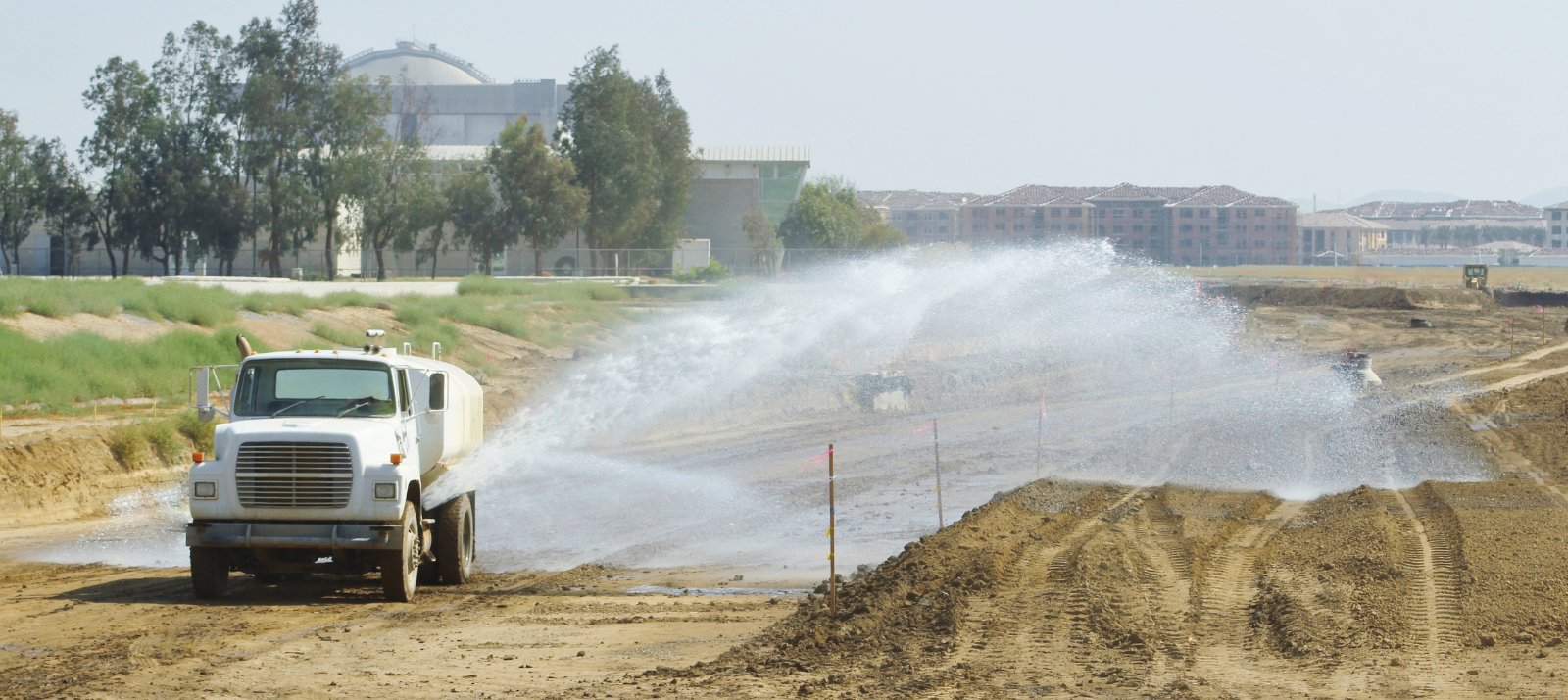
DustOff agglomerates and stabilizes dust, forming a surface film that is reinforced with subsequent applications, preventing its re-suspension by traffic and wind.
Its preparation is simple and it is applied with common field equipment; it dries quickly, allowing operations to resume in minutes.
🌐 International Regulations
In a world where companies are increasingly operating under the scrutiny of international organizations, regulators, and certifiers, it is crucial that technical solutions align with global standards for safety, sustainability, and environmental management.
DustOff has been designed considering international best practices, which allows for its safe application in highly regulated and demanding contexts.
Learn about the international standards that DustOff helps you meet:
-
WHO
It recommends keeping dust concentrations as low as reasonably achievable (ALARA principle). It suggests ventilation, wetting, and encapsulation as the main methods.
-
ILO
Recommended limit for silica: 0.1 mg/m³. Promotes medical surveillance and dust control in at-risk industries (mining, construction).
-
OSHA (U.S.)
Silica limit: 0.05 mg/m³. Requires engineering controls, respiratory protection, and monitoring in dusty workplaces.
-
ISO 14001 / ISO 45001
It requires identifying significant environmental aspects (such as dust) and establishing operational controls. It also requires the evaluation and mitigation of occupational risk due to particulate matter.
-
ISO 23875 / ISO 7708
Technical standards for controlling respirable dust in mining cabs and standardized definitions of dust fractions (inhalable, thoracic, respirable).
-
EU-OSHA / European Union
Mandatory respirable silica limit: 0.1 mg/m³. Wood dust: 2 mg/m³. Requires reduction to the lowest possible level and occupational monitoring.
DustOff and the Sustainable Development Goals (SDGs)
DustOff not only complies with national and international regulations, it also directly contributes to the fulfillment of the Sustainable Development Goals (SDGs) defined by the UN. Its use in industrial, agricultural, road, or municipal operations reduces negative impacts, protects natural resources, and improves the quality of life of people exposed to suspended dust.
We show you how DustOff aligns with the most relevant SDGs:
-
SDG 3: Good Health and Well-being
Reduce respiratory illnesses and exposure to polluting particles among workers, communities, and in school areas.
-
SDG 6: Clean Water and Sanitation
Reduces water usage for irrigation by 60–80%, promoting efficient water resource management in critical areas.
-
SDG 9: Industry, Innovation and Infrastructure
Supports cleaner, safer, and technologically responsible operations in mining, cement, energy, and road works.
-
SDG 11: Sustainable Cities and Communities
It improves air quality in urban and rural areas, especially in neighborhoods with unpaved streets or marketplaces.
-
SDG 13: Climate Action
Reduce indirect emissions through less water, fuel, and irrigation machinery use. Contributes to carbon neutrality strategies.
-
SDG 15: Life on Land
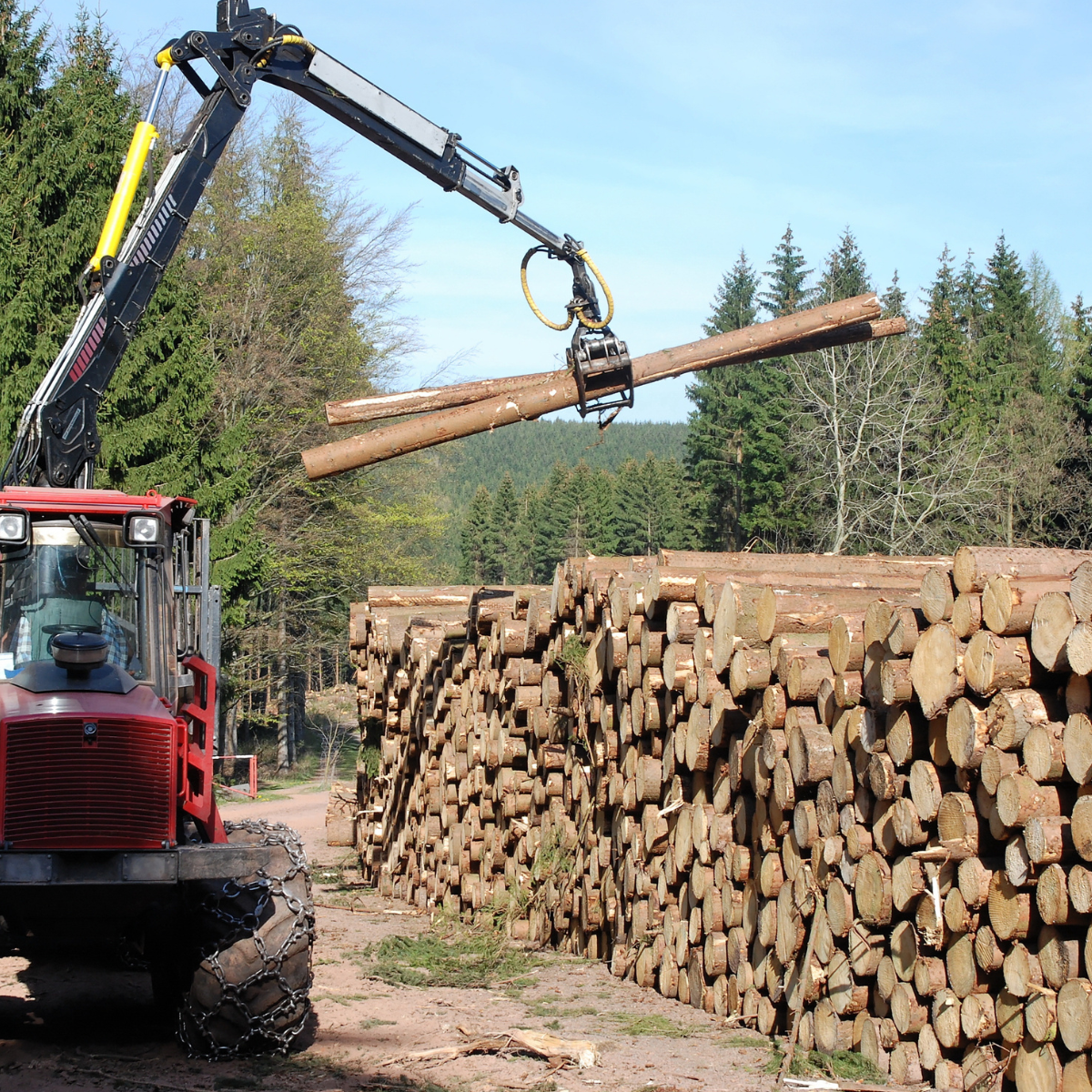
It prevents soil erosion, reduces dust pollution, and protects habitats near industrial or forestry operations.
A product aligned with your ESG and positive impact strategy
DustOff not only effectively controls dust but also becomes a tangible tool for public and private companies to advance their environmental and social commitments.
Its implementation directly contributes to the SDGs by reducing the environmental impact of operations, protecting the health of workers and communities, and optimizing the use of key resources such as water.
Choosing DustOff is choosing a solution that cares for people, the environment, and the future.